Writing the way back: on the blue haze of January, TikTok and the public presence of writers.

Lifestyle, Writing

Quills & Coffee was born in 2017, in the middle of my undergraduate degree when I had all the time in the world to dedicate to writing – both creatively and academically. My idea for this site was to have a safe space to write about writing; somewhere to journal and share my life whilst also giving myself both the freedom and accountability I needed to be a writer.

Since my last post here, I have somehow become a grown-up. I raised a puppy into the most amazing two year old chaotic gem, and bought a house with a garden big enough for him to play in. It feels a little raw to read back through posts on this site, but it’s fascinating to me that at one point in time, my friend and I were living in a tent (!) and then sharing a one-room ‘apartment’ because it was all we could afford. I was pulling coffees for minimum wage and spending every lunch break and evening after work squirrelling away on books that have since been shelved. Now, I have a corporate job and a lifestyle that supports, finally, my needs as a writer. Books that used to take me years to write can now take as little as a few months. It’s a privilege I’ve never known before – and one that I definitely don’t take for granted.
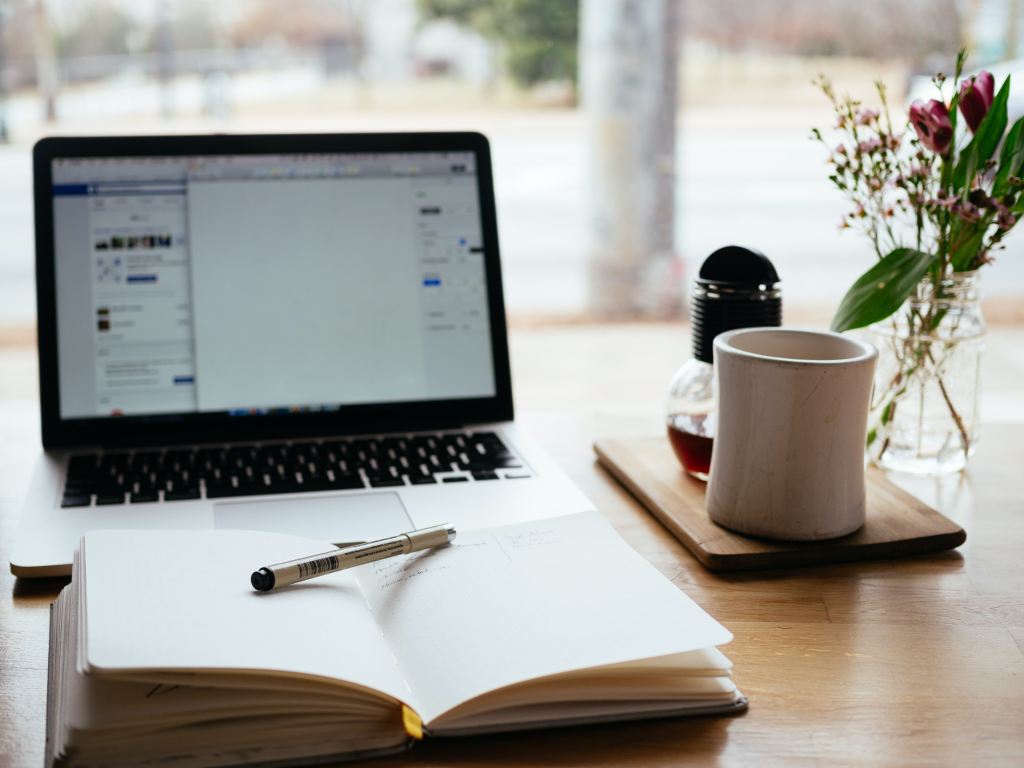
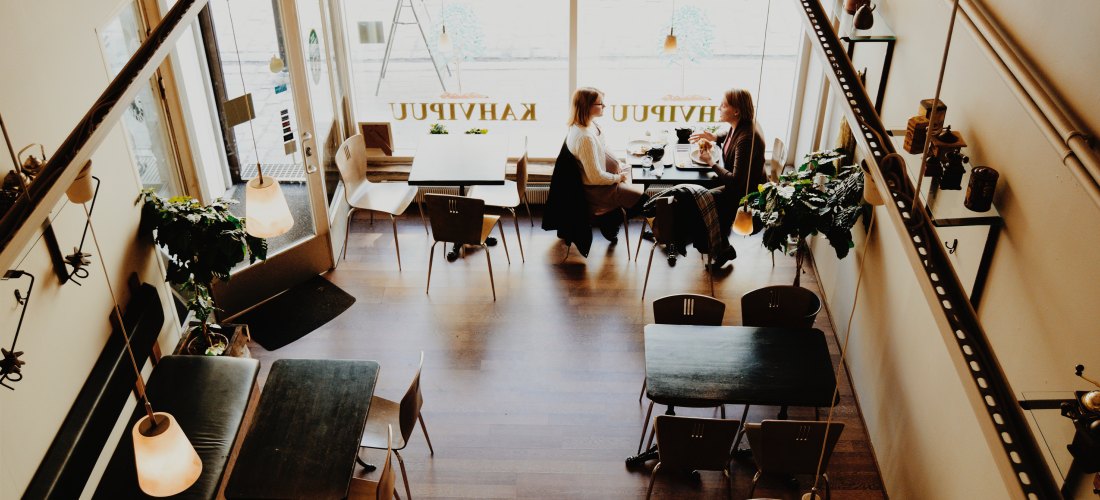
I started this blog in Waterstones Cafe in my university town of Bath 7 years ago on a rainy afternoon. Here I am again, in a Waterstones Cafe back in my hometown, writing this blog back to life.

Funny, the places life takes you.

From now on, Q&C is likely to be more of a monthly newsletter than the blog it was before, but I do think this is the rebirth of Quills & Coffee – so please like, follow, share – come along for the journey.

If you ask anyone that knows me, and I’m sure they will tell you that I am a huge New Year person. I love fresh starts and blank pages. I am forever inspired by writing goals and to do lists and resolutions. I’ll happily spend all of December planning, and then the first of January comes around and… I feel something inside of me sink. Because the pressure is on.

This year I’ve tried something new to fight the blue haze of January, and it seems to be (kind of?) working so far. Instead of writing resolutions for the year, I’ve written mini-resolutions for each month. So, for example, where my goal for the year is to finish another writing project, my goal for this month is only to write 5 scenes.

Of course, there are months when even 5 scenes feels an insurmountable task.

But for the first time, my writing has extended beyond the blank page – and into my phone screen.

As someone who downloaded TikTok back in 2020 for the sheer purpose of filling the hole Vine left in my life, I never thought I’d be someone who actually posted on there. I was quite happy being a silent scroller, using TikTok as a safe space to mindlessly consume content rather than actively engage with it. But more recently, I have found a whole different side of TikTok: a community of writers, illustrators and other creatives who spend time talking about their craft and their lifestyle. I’ve found great comfort in the knowledge that other people are on the same journey, and great inspiration in seeing some of the amazing work being produced and published. I was inspired to start making my own videos and, although I’m yet to build up the courage to (god forbid) show my face or actually speak, I am enjoying content creation much more than I imagined I would. [You can find me on TikTok @bethtomlinbooks]

The bulk of my videos are just time lapses of me writing – which is something that gives me such accountability when working on a project. I love to set up my phone to film my keyboard and just write, because then I can’t actually touch my phone. It’s my way of forcing myself to concentrate. I can’t switch the tab to Youtube or Google or Instagram because then everyone will see my procrastination. Instead, they will watch a blurred screen as the words in 5 x speed fill the page, inspiring not just myself, but hopefully others, too, to keep going. [Note: I’m sure this method isn’t one-size-fits-all and some people can just sit down and have the self-control not to just pick up their phone every five seconds. I am green with envy.]

This means that every time I’m not writing, I’m creating writing content or watching other writers online, and my whole world revolves around books (writing them, reading them, reviewing them…). This has somewhat always been the case, but it’s interesting to watch my social media algorithms slowly adapt to have writing at the centre of everything. This shift in focus has made me wonder about the public presence of writers and how important that presence is.

I have two degrees in creative writing, and whilst I was at university, I was surrounded by writers. Quiet, sensitive writers. Writers who weren’t necessarily the most extroverted or social people, but who could create entire worlds on paper, who could write characters who travelled across universes from the comfort of their rooms. Aside from my professors, it was hard for me to see writers as people who spoke often and loudly about their craft, who were open and extroverted and eager to share their skills and techniques with others. The world has taught me that writing is solitary and that the few writing friends I have are precious and rare.

But within one month on TikTok, I have amassed a following of a thousand other writers who actively engage with my content, commenting about what they are writing or what techniques they find useful. Every day, I watch videos from other writers promoting their books or the works of others, talking about their process and struggles. Writers are louder than they used to be, and I think it’s important. How are we supposed to get any better if we don’t spend time speaking to each other and discussing our writing processes together?

It’s a bit of ramble, but I suppose what I’m saying is that I think I’ve learnt that, although the act of writing itself can be quite solitary by nature, the life of a writer doesn’t need to be.
23515602_10214873369765239_1349060607_n

If you enjoy my writing and are able to do so please consider supporting me by buying me a coffee via Ko-Fi

the ragged seam: reflections on March and our anniversary of isolation

Lifestyle

A reflection on the past year as our Apocalypse-aversary approaches, mapping out my favourite Quarantine Reads, and imagining what the world will be like moving forward.

In just a handful of days, it will have been an entire year since, for many of us here in the UK, our lives turned upside down. As March approaches, I find myself feeling more reflective, and more appreciative, of the year we’ve shared.

For me, March holds more than one anniversary. It marks a year since I lost my beloved Nan. She’d been in hospital since the turn of the new year, and I remember so clearly telling her of everything that was happening outside the four walls of her hospital room. I visited every day I could, telling her stories of the apocalyptic atmosphere outside, but she had little reason to actually believe me. This was before the time of face-masks; back when hand sanitiser wasn’t an ever-present item in my bag, I could still hold Nan’s hand, and I was planning to head off to work at Glastonbury again in a couple of weeks.

I remember thinking that Nan’s death, on the 12th of March 2020, marked the day the world fell apart — and not just for me. A week or so later, my family and I gathered around the television and watched our Prime Minister announce the very first national lockdown. I remember that strange buzzy thrill of living through history — it seemed, despite everything, that this year might hold more for us than just sadness and loss. It was, after all, the first time I’d be moving back home after living independently for over six years. It was an opportunity to reconnect, to slow down, to pay attention.

There’s a certain sense of solidarity when things like this happen. I’ve heard many people call it ‘wartime spirit’, though it feels strange to use that term when it’s an invisible war we’re fighting. The collective grief is much the same, though. There’s not a single one of us that can say we haven’t known someone who’s lost someone, or lost someone ourselves. 

One form of escapism for me throughout all of our lockdowns has been reading. Here’s a list of some of the books that swept me away the most over the last year (and a little bit about them, in case you want to be swept away yourself). We’re starting from August 2020 onwards, because those first few months of lockdown were pretty much just spent binge-watching Netflix and trudging through manuscript edits. I think I forgot how to read altogether.

August

This is how you lose the time war by Amal El-Mohtar and Max Gladstone

This was one of the first books I read in 2020, and it’s one that will stick with me for a long time. It tells the tale of two women, Red and Blue; enemies travelling through time to kill one another. Anyone who’s a fan of ‘enemies to lovers’ in fiction will adore this book. Told through their letters to each other as their relationship develops across different timelines and universes, This is how you lose the time war is short and beautiful and moving. I will come back to this one again and again.

September

The Midnight Library by Matt Haig

The Midnight Library is one of those life-affirming reads that you find yourself recommending to people months after you’ve read it. It follows the story of a young woman who attempts to take her own life, but finds herself hanging between life and death in a library. There, each book she reads will show her a path she didn’t take, an alternate universe for every decision that might have changed the way her life panned out.

It sounds dark to begin with, I know, but The Midnight Library is beautifully paced and the plot feels a lot lighter than the initial concept. It will make you think about life and death and everything in between, and is definitely a book that leaves you feeling very deeply moved.

October

The Haunting of Hill House by Shirley Jackson

Alright, anyone who knows me well knows that I’ve watched the Netflix show of the same name too many times to count, and when the release of The Haunting of Bly Manor was announced in October, I thought I’d get myself in the spooky spirit and finally read this horror classic. Although a little slow to start (if heavy description isn’t really your thing), I can then confirm that this is one of the scariest books — if not the scariest book I’ve ever read. The terrifying, dramatic, stomach-dropping moments are truly nothing in comparison to the quiet ghostly horror we find scattered throughout. This is an absolutely classic ghost-story; extra points if you stay up late to read this in the dead of night.

November

Watch Over Me by Nina Lacour

Sticking with the ghost story vibe, this new release from Nina Lacour is absolutely haunting. It focuses on family and new, fragile relationships and the beautiful, cold seaside setting makes everything feel ominous and grey. The vibes of this book are impeccable and there are so many twists and turns in this modern day ghost story — you need to put aside a weekend for this one and curl up, uninterrupted, with a hot drink and a load of candles.

December

Good Omens by Neil Gaiman and Terry Pratchett

By the time December came around, I was so ready for a little pick me up. Despite absolutely adoring Neil Gaiman as a writer, having heard him speak on multiple podcasts and TV shows, I realised I’d never actually read anything of his aside from Coraline. If you’re a first time Gaiman-er, I would absolutely recommend Good Omens. It’s the hilarious and emotional tale of an angel and a demon who have somehow ended up being each other’s only friend for the last 6,000 years. Aziraphale and Crowley have lived on Earth since the beginning, so when Armageddon is announced, they band together to try and save the world.

Honestly, ten outta ten, couldn’t stop laughing but also the writing is just spectacular and you’ll get so attached to these characters, you’ll be thinking about them long after you’ve finished reading.

January

Untamed by Glennon Doyle

This book will change your life in the most glorious way. Glennon writes with humour and empathy, and each chapter of this book is like a tiny parable in itself. There’s not much else here to say except I’m glad I started my year with this book and set the tone for 2021 to be a year of self-development and appreciation.

February

The Invisible Life of Addie Larue by V E Schwab

I hate Past Beth for not reading this one sooner. Addie Larue is, quite possibly, my favourite book that I’ve read most recently, and I cannot speak highly enough of it. It’s a quote from Addie Larue that inspired this blog post, and I’ll insert it here to give you a real taster of just how spectacular the standard of writing is in this book:

March is such a fickle month.

It is the seam between winter and spring–though seam suggests an even hem, and March is more like a rough line of stitches sewn by an unsteady hand, swinging wildly between January gusts and June greens. You don’t know what you’ll find until you step outside.

The Invisible Life of Addie Larue by V.E. Schwab

I think, over the last year, my hair has been at least ten different colours. I’ve written (and deleted, and rewritten…) thousands of words, made hundreds of phone calls, watched friends drift apart and together, strengthened relationships, juggled a handful of different jobs, and taught almost a hundred hours worth of creative writing Zoom classes to kids from all over the world. I’ve had productive days and creative days and days when I’ve laid in bed and willed the world to just pass me by for a little while. 

The point of all this rambling, you ask? The reason I’m reflecting on a year in isolation?

We’re still here.

March, for many of us, will forever mark the beginning of something life-changing. An ‘unprecedented’ (who else hates that word now?) time, a moment in history that will never be forgotten. But March isn’t just the month that plunged us into darkness. It is the month that pushed us into change.

I’ll leave you with a short piece I wrote last week, and a single word: soon.

*

Soon.

You probably think I’ve forgotten. I’m like that, I know; it wouldn’t be out of character for me to quietly slip into silence and then burst back into your life six months later. The occasional ‘like’ on social media, the odd message, out of the blue, promising to call soon — that’s all you hear from me, these days. I know there are no hard feelings, we’re just those kind of people, but this is for you.

I’m still here.

I haven’t forgotten.

I remember everything.

Specifically, if you need specifics, I remember always being a short walk from my favourite coffee shop. I remember lighters lost in beer gardens, fighting to hear your voice above drunken laughter, spilt drinks on sticky wooden benches, swiping mindlessly at wasps hovering over half-empty glasses. I remember spontaneity and last-minute plans, even though life now is so predictable our routines could be mapped out months in advance.

I remember warm summer days, bare feet on cobbled stones, leaning into the breeze and shuffling blankets further up the beach as the tide creeps in. I remember quiet company, sitting in each other’s space but existing separately, heads stuck in books, minds in different worlds, still beside one another like it doesn’t matter. I remember the exact day the weather turns and August is just a line drawn in the sand before Septembers waves carry it away.

As the days grow shorter, I remember meals out in restaurants we can’t afford, waiters spinning plates and banging drums and the bittersweet mix of mint lemonade and laughter. I remember cold walks through North Oxford parks, weaving through cyclists and dog-walkers until we find a bench with our name on it. Pink fingers wrapped around takeaway americanos, bags full of groceries and secondhand books. Phone conversations on the street outside the flat, sitting on concrete steps by the old newsagents in my pyjamas with a mug of tea, because you can take the girl out of the North, but the North will always find a way to creep back in somehow. I remember hugging and hand-holding and clothes-swapping and everything else we’ve been robbed of in between.

I remember you.

One word keeps me going through these restless weeks, one word that holds the hope of a nation in a single syllable; one word that I write to you, now, as a promise — because I haven’t forgotten, and one day I’ll tell you in person.

Soon.

23515602_10214873369765239_1349060607_n

If you enjoy my writing and are able to do so, please consider buying me a coffee via ko-fi.

An interview with ‘The Doll House’ author, Phoebe Morgan

Writing

Phoebe Morgan, debut novelist and author of psychological thriller The Doll House talks writing, editing, and her advice to young authors with Niall Cunniffe.

Could you give readers a brief introduction to what you’ve published, and what you’re currently working on?

My first book, The Doll House, was published last year. It’s a psychological thriller about two sisters who find themselves the target of a stranger seeking revenge. I’ve just sent my second book to my publisher after doing a structural edit with my agent, so it’s all quite nerve-wracking! It’s another psychological thriller, but the title hasn’t yet been confirmed as yet. Watch this space!

You’re a commissioning editor for a trade publisher by day. Do you think this has helped you improve your writing or editing process and, if so, how?

Yes, definitely. I’m an Editor first and foremost. I work with a long list of authors, so I see both sides of the process. Working as an Editor in publishing has given me a wider understanding of the commercial market, I think, and seeing it from both sides helps me empathise more with authors, and gives me a different perspective. I’ve found comfort in the fact that I know how the publishing process works, all the ins and outs that go into making a book and getting it into readers hands. There’s a lot of work involved!

Do you think aspiring authors should get some experience in the publishing industry to help with their writing and career?

No, I don’t think that’s necessary. I would suggest they read widely and read around their chosen genre. They should keep an eye on what’s doing well and becoming successful – and figure out why certain books are more appealing or gripping than others. But writers should always be true to themselves, too – the market is an ever-changing beast so you’ve always got to keep your own voice and write what you love.

Do you think it’s becoming increasingly common for writers and authors to also have a full time job nowadays?

I think this depends on what stage of the journey they’re at, really. I know a lot of writers who balance writing around full time jobs, some of whom have children as well which is awe-inspiring! As a general point, writing isn’t always the most financially rewarding career in the world, so it’s very common for people to juggle multiple jobs, especially when starting out. I love my job – I always wanted to be an Editor, and I wouldn’t want to simply write on my own, I think I’d go mad! Of course, some authors do write full time; I think it’s a very personal choice.

Do you have a place you always go to write, or somewhere you feel most inspired?

I can write anywhere, though I’ve got a new desk recently which I’m really excited about. The shelves above the desk have some little reminders – a plant my agent gave me, a poster with an inspirational quote, my books about publishing. It’s really nice to have your own space to write, so I guess I’m lucky. However, I wrote most of The Doll House while babysitting in the evenings, or sitting in cafés at night.

How much planning and outlining do you undertake before beginning to write your novel?

I don’t plan at all, to begin with. I find it really difficult. I did write a synopsis for my agent and publisher for my second book, but that’s the extent of it. Everyone works in different ways. I prefer to get the first draft done and then edit it. I’m not one of those writers who can plan out a whole novel with sticky notes and spread sheets. I probably end up writing more drafts. I’m an editor by nature, so I’m most comfortable editing a lot than extensively planning.

Do have any other hobbies and passions, outside writing and publishing?

I’ve very passionate about the Society of Young Publishers; I’m co-chairing the London branch this year. Writing and publishing are where my main interests lie – I’m fairly terrible at everything else! Although I am trying to learn how to cook… with mixed results.

If you have one piece of advice to offer to young aspiring authors, what would it be?

Be persistent. You have to keep going. It’s a good idea to perhaps have your writing read by other people and be prepared to take editorial feedback. Focus on your own journey, and make sure you’re doing the best you can. Don’t fall into the trap of comparing yourself to others – just keep your head down, do the work and make the most of every opportunity.

Keep up with Phoebe’s journey on her website, where she frequently posts about writing, editing and the world of publishing. You can also follow her on Twitter, Facebook, and Instagram.

 23515602_10214873369765239_1349060607_n

A big thank you to Niall for organizing such an insightful interview with Phoebe! Keep yourself in the loop with Niall’s work by following him on twitter and checking out his blog.


♡Ways to spend a rainy day♡

Lifestyle

Today, it is raining. It’s that Southern rain that I’ve become accustomed to these past few years: a fine, drizzly mist that will soak you through no matter how many layers you’re wearing. I usually like to use bad weather as an excuse to revel in the weight of the world’s problems, sitting by my window with a cup of coffee and a sad novel… However, today I’m up, ready, and waiting in town to catch up with some of my favourite people.

Something you should know about me is I’m one of those friends that doesn’t really keep in touch. I’d call myself a low-maintenance friend, but I think the most accurate phrase would probably just be, uh, bad friend. I’m the kind of friend that will go weeks without seeing you and then hold a three-hour-long coffee meeting so we can catch each other up on the month’s happenings. And repeat. I feel like I have more of an excuse with my friends that live far away (I didn’t forget about you, I just live far away, duh), but I have amazing friends that live in the same city as me and are rarely factored into my busy (ish) schedule.

Saying this, I never fall out of touch with people. You can bet your ass that whether it’s been weeks, months, or years – if our friendship is important to me, I will find a way to claw my way back into your life. Working, doing an MA and trying to write a novel decent enough to get published means that I have to schedule in Catch Up Meetings whenever I find a spare day. Today, as rainy and gloomy as it is, is that spare day.

Having stayed over at a friend’s last night, and just met another friend for lunch, I’m now waiting patiently in Starbucks for my aforementioned coffee meeting with friend number three. I’d say I’m smashing my Catch Up Day so far!

There’s a lot of other things I need to be focusing my attention on as well, so this nice little break in my Catch Up Day is being well spent working on some of the deadlines I have due in December. I’m so excited to start my new job as a bookseller on Sunday, but until then, I need to make sure I’m ahead of all my Uni work and manuscript deadlines, to take a little bit of weight off my shoulders before Christmas.

Today, it is raining. But I will be essay-planning, creative writing, manuscript editing, coffee-drinking and catching up with old friends… so I hardly think I’ll notice the rain at all.

23515602_10214873369765239_1349060607_n

Click here to read all about why I think ‘getting our lives together’ is absolutely overrated. (Let’s be messy together.)

Interviews with Aspiring Writers: Niall Cunniffe

Aspiring Writers Series

Aspiring novelist Niall Cunniffe talks vampires, teenage fiction, and finding your own place in the writing community.

Could you give readers a brief introduction to what you’ve written, and what you’re currently writing?

To date, I have written one and a half books, including several short stories. I wrote my first book one summer while at University, having failed to find a job and wondering what to do with all my time. I’d been studying English Literature, so I thought, why not write a book?

I didn’t have much of a plan, apart from write a modern Gothic story for today’s readers. The book is called Elm, a character I was then obsessed with. I got up every day, started writing at 10am, and didn’t stop until I wrote 2,000 words.  Only about half way through the book did I actually know where the story was going. I think I finished it in about a month, and have been editing it since – that’s when the real work begins!

I am also currently writing a vampire book, and hopefully series, for teenagers as part of NanoWrimo. I’ve just hit the half-way point so wish me luck!

Do you have a place you always go to write, or somewhere you feel most inspired?

I wish I had my own ‘writing place,’ but my current lifestyle doesn’t allow for such luxuries. It’s difficult to find somewhere quiet in London. I tend to write best at home, in Ireland, as there are few distractions and I can let my mind wander. Thinking is very important, and undisturbed time. Libraries close too early, so that’s out. I get very distracted writing in cafes, as I am drawn into conversations and sometimes find them more intriguing than my writing! It’s terrible, I know, but I think all writers are curious like that.

Who is your favourite author at the moment?

Oh gosh – I admire so many for different reasons. I don’t think I have a favourite author. I mean I admire J.K. Rowling, Stephen King, Dan Brown, but all for very different reasons, like how they have contributed to the publishing industry and beyond, not necessarily because of their writing. In terms of writing, if Madeline Miller has a follow-up to The Song of Achilles, let me know.

Do you think having a writing community is a good idea for aspiring writers?

Absolutely. It is important to stay motivated, and having others around you for encouragement definitely helps. Writing is a lonely pursuit, plagued with self-doubt. Ensure you surround yourself with encouraging people, unless of course you are one of those lucky few who have the utmost belief in themselves.

What is your favourite age range and genre to write for?

I would say teenagers and young adults. I read a lot of books as a teenager, so I feel I know how to write for that age group. Books helped me a lot as a teenager, so I feel I should help others struggling in that age group too. My favourite genre would be horror. There’s so much you can do with it, and so many sub-genres to explore.

If you have one piece of advice to offer to young aspiring authors, what would it be?

Believe in yourself. There won’t be a word on the page if you don’t believe in yourself.


You can keep up to date with Niall’s writing on his twitter or on his blog. Big thanks Niall for taking part in the Aspiring Writers Series!

If you are an unpublished writer with your own writing journey to share on Quills and Coffee, drop me an email at quillsandcoffeeblog@gmail.com. 

23515602_10214873369765239_1349060607_n

Interviews with Aspiring Writers: E.F. McAdam

Aspiring Writers Series

From her hometown of Manchester, aspiring author E.F. McAdam talks noisy writing places, the importance of Young Adult fiction, and why you should grab yourself some writer friends, ASAP.

Firstly, could you tell us a bit about yourself and your current writing projects?

I’m Eleanor McAdam and I’m a Bath Spa Creative Writing graduate. At the moment I’m working on a seven book series of which I’ve completed two and started the third (that’s not including editing). The series is about a post-apocalyptic world in which Gods can be seen in human form: sitting on clouds, trampling cities and the like (I’m sure you can see now why it’s post-apocalyptic). The series follows Hara, Demigod of Sin, who is struggling to find his place in the world and protect the people he loves, namely Liliana, a girl who he gifted at birth. In a world with monsters, magic and some seriously messed up cults, the series follows Hara and his companions in the hope to regain a semblance of balance between the Creator Gods, Life and Death.


Are there certain must-haves for you to create your writing environment? 

For me (and I know I’m weird on this one), I need noise. I write best with other people, with music, in a bustling environment. Ideas come best to me walking on or the bus, so I’m sure to carry a notepad wherever I go. But when I need to get some serious words on paper, I usually sit in a coffee shop. The downside to this? It’s expensive! At home, I struggle to write, especially if it’s quiet. I can write while watching TV or a film, but mostly prefer it when my boyfriend is playing a game (and it helps when the genre is the same to inspire me!). But other than the actual environment, all I need are my notepads, coloured pens and my laptop. Then I’m good to go!


What are your favourite age ranges and genres to write for, and why do you think it’s important?

I am a fantasy and science fiction writer mainly, and usually stick to either adult or YA (most people tell me I’m best at YA). Everyone knows why YA is important: it’s the safety of a children’s book with all the real life issues and tragedy of an adult’s novel. My own novels (if they are indeed YA as I’m starting to believe) are horrifically awful, but that’s the point – it lets teenagers read it from the safety of their own lives.

I believe fantasy and science fiction are undervalued as a genre. They not only allow imagination to grow and an escape from our own horribly boring world, but they are often metaphors for real life. I can never completely make up a new world, whether fantasy or alien, so I use our own world as a base. I take the weird and wonderful and often atrocious events and places from our own world and explore. It’s the perfect way to highlight the terrible things we do: such as colonising a new planet and killing all the aliens, just as colonists have done hundreds of times in our lifetime.


Where’s your favourite writing place?

It’s changed over the years: first, the end seat on the sofa at my childhood home. For some reason, I’ve always loved that spot. I’d spend days on end there, barely moving (apart from snacks) and it has produced a lot of stories.

When I went to university, I was amazed to find my bedroom in second and third year was perfect. I didn’t use my desk, just sat in the chair and had my legs up on the bed. From that position, I could see through my window and watch the traffic of Bath bustling by.

Now, it’s a cute little café Nero by the river in Manchester. I love the barristas and I love my little booth at the back (anyone who follows me on Instagram will know that!). I’ve written both the books in my novel there, and I intend to keep that spot for as long as I can.


Do you think it’s important for writers to have a writing group to workshop with?

Before university, I wouldn’t have agreed. I hated showing anyone my work, but after that got beaten out of me at Bath Spa, I loved it. I value every single one of my friends’ opinions and I know they are honest and truthful. The key is to not only find someone with whom you’re comfortable enough to share honestly, but someone who writes just as well as you do. Non-writers are great readers to give a clue of the audience’s reaction, but real editors your own age are the best. I’m so lucky to have met so many at Bath Spa!


Finally, what advice do you have for young aspiring writers?

It’s cliché, but just keep writing. It was one of the hardest things to get my head around, but you need to just write. Don’t get too crazy on the right word in the right sentence; just write something and move on. My first drafts are awful, but my second is better. I’m a total ‘write first edit later’ writer. If somethings on the paper, not only will you feel better about yourself, but you’ll be able to finish things much quicker.

And lastly, believe in yourself. Anyone can be a writer and anyone can get published. You just have to want it.


Big thanks to Eleanor for a fun and inspiring interview! If you’re an unpublished or aspiring writer and would like to be featured on Quills & Coffee, drop me an email at quillsandcoffeeblog@gmail.com. Or if you’ve been motivated by this interview – leave a comment below!

23515602_10214873369765239_1349060607_n

Keep your eyes open: inspiration is everywhere

Writing

It was only this afternoon, when I spotted an abandoned antique shop on the way to Callen‘s house, that I realised how much of my writing is influenced by normal, mundane, everyday things.

A bit of context for you – I was heading to my friend’s house because he has the new Taylor Swift album and, uh… I need to listen to it. On repeat. So, I was POWER-WALKING through Bath, desperate to go and listen to some banging tunes, and then I saw this antique shop. It’s kind of run-down. Decrepit, really. It’s so dirty that the windows look grey, and there are old rusting bars across the door, and Scott’s Antiques is written along the top in a creepy, willow-y font. I had to stop. Look. Take it in.

I’ve already decided that this particular antique shop will be picked up from picturesque Bath and plonked wherever I decide it needs to be in my novel. I have so many ideas already – haunted objects, illegal squatters… All of this came from that one shop, a shop that I’ve walked past a thousand times and never noticed. Maybe if I had been even more desperate to listen to Taylor, or if I’d crossed the road at a different point, I never would have seen it at all.

“You cannot wait for inspiration. You have to go after it with a club.”

Every Creative Writing lecturer or guest speaker will always tell you the same thing – carry a notebook everywhere. I used to just kind of ignore that little bit of advice. Uh, I have things to do? I can’t just whack out my notebook in the queue at Starbucks because I see some woman has cool hair that I want to use for a character. But, flash-forward a few years, and I rarely go anywhere without a notebook / laptop / some form of writing instrument.

It’s not just settings either – cool antique shops or whatever catches your eye – it’s everything. People can inspire characters, certain places invoke certain feelings, and any kind of sensory experience is absolute gold-dust when you’re writing in first person. As a writer, I believe your brain is already hard-wired to look out for this kind of stuff. You’ll store anything you see automatically, but you might not actually use it unless you’re paying attention. When you see something that inspires you, make a note of it so you can integrate it into your creative work later.

I guess what I’m trying to say is, if another writer tells you that it’s important to always have a notebook… don’t ignore them. You’re wasting time. Get a cheap (or expensive, whatever floats your boat) notepad and just keep it with you. Because, honestly, ideas can flit so quickly out of your head. You know when you have a cool dream and then you can’t remember it in the morning? Same kind of deal. Just make sure you have something to WRITE with when inspiration strikes.

23515602_10214873369765239_1349060607_n

♡ Productive days (and why they’re fun) ♡

Lifestyle, Writing

First off, let me just say that I am probably the least productive person on the planet. So, when I actually have productive days, it’s something of a surprise. A miracle, some might say.

This morning, I started my day by blasting Taylor Swift’s new tune and cleaning my kitchen. Laugh if you will, but dancing around gets me moving and wakes me up – and the only way I can suffer through cleaning is by making it (semi) fun. Call it what you want (get it?), but I’m calling it productive.

I cleaned, I got dressed, I made breakfast – all huge achievements. While I was relaxing with my green tea, my good friend Callen was on his way over to my house, and we spent the day manuscript editing (because my deadline is Friday, in case you’d forgotten. I most certainly have not). My novel is split into Part One and Part Two, and today we smashed the edits on Part Two. I have lots of revisions to type up, and a final chapter that needs reworking completely – but I’m going to tackle all of that tonight.

It was really helpful to talk through all of Callen’s notes, and to decide which characters I can afford to lose, and which one’s need to be developed further. We have our Master’s course on Wednesday’s, and I’m heading to London on Friday… So, I only have three solid days in total to finish the rest of the revisions. Which is fine. Totally fiiiine. *Inserts Ross Geller’s overreaction GIF*

We’ve drawn up a timetable for the chapters that need the most work, so I’m feeling confident about what needs to be looked at. I have five chapters to do tomorrow, eight to smash on Tuesday, and, uh, the rest of the novel on Thursday. (I’m fiiiiine.)

Overall, I think today was super productive, and I’m thankful I have such a wonderful writing buddy to rock up at my door with co-op meal deals and endless words of support and encouragement (and sometimes firm, “Nope, cut it” ‘s that are equally important and appreciated).

Anyway – I’m procrastinating now. Lots to write / edit / cut out completely. Enjoy Bonfire Night everyone! Be safe!

23515602_10214873369765239_1349060607_n

Quick Fire Questions: Sophie Victoria Rowe and Callen James Martin

Aspiring Writers Series

Sitting in their favourite writing spot, budding authors Callen James Martin (Type Write Read) and Sophie Victoria Rowe (write me wild) answer a series of writerly questions over several rounds of tea and poached eggs. (The tea was for Sophie… the eggs were for a slightly hungover Callen, who channelled his inner Gaston).

What is your favourite genre to write?

S: Contemporary, because I feel I can connect more with the characters. They’re more vivid in my imagination.

C: I’m not really fussy. I like an element of Gothic in my stories; the aspects of mystery and the need to solve something really resonate with me.


If you could be any fictional character, who would you be?

C: I’d want the bookish smarts and moral sense of right and wrong of Hermione Granger, with the fierce loyalty of Katniss Everdeen.

S: Sophie from the BFG. She was my childhood goal, and I saw her ambitions as my ambitions.

C: Could I also have Matilda’s independence and her… what do you call it?

S: Gumption?

C: I’d have her gumption. Her go-get-it attitude; here is an issue – and I’m going to solve it.


What is your favourite age range to write for?

S: Definitely Teen. I feel like I know a lot about being a teenager, and I know a lot of teenagers who are able to help me make my characters as realistic as possible. When I was a Teen reader, I’d look for books that had protagonists that I could see parts of myself in – whether that be physically or emotionally.

C: It used to always be YA… recently, though, I’m discovering a passion for Teen and Middle Grade. I’m really liking Teen at the moment. I like realistic characters making their way into unrealistic worlds.


Do you find it easier to write protagonists that are the same gender as you are / that you have lots in common with?

C: Absolutely not. It’s only recently that I’ve been able to write a male character, and in a way… I’m finding that harder. I keep wondering whether I’m writing this male character from my own experiences, rather than something that will be relatable to a wider audience of young boys.

S: In some ways, I find it easier. I can imagine it, and I know what it’s like to be a girl. Particularly when covering female topics or issues. When it comes to teenage boys, I find myself struggling to create a realistic character. I’m more likely to slip into stereotypes to write my way through.

C: See, I only had girl friends growing up, which is why it’s probably easier for me to relate to a female readership. Like Sophie said, I do worry about slipping into stereotypes.


Can you both give me a brief overview of your current writing projects?

S: I’m currently working on a contemporary novel, for a Teen readership. It dabbles with a variety of conflicts that arise at that age; social hierarchies, first loves, friendships and personal development. The novel follows Piper and Erin, two fifteen-year-old’s who used to be best friends, but have grown apart over the years. They are forced back together when Piper’s mum becomes ill and Piper has to move in with Erin and her family (including Erin’s brother – Piper’s crush, Ethan). Throughout the plot, the girls have to figure out how to deal with the situation, whilst trying to retain their social boundaries.

C: I am studying an MA in Writing for Young People, and my current project is a contemporary coming-of-age novel for a Teen readership. In a nutshell, my novel is about choosing to be who you are, not who others want you to be. It follows Noah, aged fifteen, as he deals with his sexual identity, his restrictive home life… and a stalker who knows everything about him – things he doesn’t even know himself. (Oh – and there’s a dog, called Chestnut!)

S: …who I named.


Who is your favourite children’s author at the moment?

S: Sara Barnard. Without a shadow of a doubt. She just has such an elegant way of displaying such personal disasters. Her characters are my friends by the end of the first chapter, and I’m hooked on their journey until the last page. You never know what’s coming next with Barnard, and I’d love to be able to take readers on the same journey. Characters in Teen fiction are so important – so having ones that a reader can really identify with really makes a difference.

C: My current Oh My God author is Robin Stevens. She has a knack for creating fully-rounded antagonists that, as a reader, you can’t help but feel things for. Not only that, but she’s not afraid to comment on cultural and social differences between characters. As an author, she deals with the Big Things – she makes you laugh, cry, or feel whatever you need to feel for the characters at that moment… Like Sophie said, she creates characters that I want as my best friends. Hazel Wong and Daisy Wells — where you at, gals?!


Finally, do you have any advice for young aspiring writers?

S: Write, write, write. Read, read, read.

C: I agree. For myself, the biggest learning curve that I’ve recently realised is sometimes, you can plan a novel and everything seems to flow… but other times, you’ll sit there with a blank piece of paper and nothing will come. Some ideas can’t be planned, you can only figure them out by diving in and blindly writing them.

S: Yeah, I never plan. I know the basic idea of what I want to write, and then I just write. It’s never in the right order, my scenes don’t match… and sometimes they don’t even get included.

C: –very true. When you’re blindly writing, be prepared to throw away thousands of words – not everything is going to be included in the final cut. It’s important to have done it anyway, though – through it, you’ll get a better sense of character. It’s all part of the world building.

S: No matter whether it’s included or not, it gets you into the routine of writing. Even if it is rubbish. It’s words on a page. It’s something. Write, write, write.

C: …read, read, read.


You can read Callen & Sophie’s blogs here.

23515602_10214873369765239_1349060607_n

Editing your manuscript: how to start and what to look out for

Writing

So you finished your manuscript! Congratulations! Now comes the hard part… editing that bad boy to high heavens. *Taylor Swift voice* Are you ready for it?

The first thing to do when you’ve finished your manuscript – when you’re sitting in front of that final page wondering how the hell you managed to do it – is make yourself a brew and revel in your achievement. You’d probably benefit from leaving your manuscript for a week or two and just enjoying that life you weren’t able to have whilst writing it… But, if you’re like me and you just want to leave it a few hours and get cracking – here’s what you want to do.

Identify the elements you need to look for. Good ones to start with are the broader elements: plot, characterisation, setting and voice.

  • Plot – When you’re rinsing through your manuscript looking at the plot, you’re focusing on plot holes and inconsistencies. Sometimes it helps me to write a timeline as I’m reading through, so I can see exactly what I wanted to happen to the characters, and what actually ended up happening.
  • Characterisation – Time to whack out those character profiles – you know, the ones you drew up six months ago…? Get them out, pin them up, and make sure that you’ve been consistent with each character throughout the novel. This is not just about your protagonist! Every little walk-on or secondary character needs their own individual plot-line and motivations. (Top tip: look at your protagonist in the first and last chapters — have they developed enough? Or not at all?)
  • Setting – Setting is something that you don’t need to get too caught up on, but you still need to give a significant amount of thought to. Have a rinse through the novel and see how frequently the setting changes, and when it does – have you been consistent in your descriptions? If you’ve described an empty church at night-time, make sure it isn’t sunrise five minutes later – that kind of thing.
  • Voice – This is a big one. There are some incredible novels that use the voice of their protagonists to show character development (see: How I Live Now by Meg Rosoff). Does the voice of your protagonist employ this technique? Do they start off with an accent that slips a few chapters in? Is there a certain phrase you wanted them to use throughout the story? …You get the gist.

When you’ve had a look through and narrowed down the broader aspects of the plot (and bear in mind, this might take anywhere from a week to several months…), you can move on to looking at the smaller elements. I say ‘smaller’, but these things are equally important. Grammar, syntax, layout… Allll the boring stuff that is actually ridiculously vital if you want a publisher to even pick up the manuscript.

There are standard formats and layouts that most publishers or literary agents will be comfortable with (clear fonts like Arial or Times New Roman, double spacing…) – but it is 100% worth checking the website of who you are likely to submit your work to. Its almost a guarantee that the few agents you pick out will be asking for the same kind of thing, but it’s always worth checking. Always.

If grammar isn’t really your thing, this is where you want to get your beta readers involved. These are a few people that you trust – and nah, this doesn’t mean your mum. Often, you can just drop a tweet into the inter-webs and see if anyone is up for reading your work. If you’re writing YA, for example, you’re going to want someone who likes to read YA and might be a potential reader in the future – these are the kind of readers who know what they’re looking for in a character or plot. You want to choose a few people (I’d suggest 3-5) who have an impartial opinion (aka not your mum or granny) and might actually know what they’re on about.

I, personally, wouldn’t bother paying a professional editor if you have people in your life that are decent with grammar and punctuation that could help you out. Don’t waste your cash. If you can get your formatting and syntax sorted for agent submission and manage to bag an agent on the quality of your plot and characters, an editor is something that they will sort out for you further down the line.

I hope all of this makes a decent amount of sense… good luck, guys! Happy editing – and if you have any questions about editing, manuscripts, or the whole process of finding beta readers for your novel, drop them below.

23515602_10214873369765239_1349060607_n

Interviews with Aspiring Writers: Soothing Sense

Aspiring Writers Series, Writing

The author of soothingsense.com talks Nanowrimo, favourite writing places, and the importance of seeking out a writing community to feed your inspiration.

So, first of all, could you tell us a bit about yourself as a writer?

The first time I really learned about the craft of writing was at university, where I began to find my writing voice through my undergraduate essays. I then stayed to complete postgraduate studies, including a PhD. Writing my thesis gave me a taste of the challenges and rewards of completing long writing projects, with the final piece totalling around 70000 words. There were so many times I thought I wouldn’t complete it but I’m glad I stuck with it now!

It was just as I was finishing my PhD that someone sent me a link about NaNoWriMo. The aim of NaNoWriMo, which stands for National Novel Writing Month, is to write 50000 words in the month of November. Having just finished my PhD, the last thing I wanted to do was to embark on another long writing project and so the email sat in my inbox for the next eight years or so! Happily, I completed my first NaNoWriMo in 2016 and I’m just preparing now to have another attempt at it. Taking part in NaNoWriMo has helped me to rediscover my love of writing and, although it’s difficult to fit in around work, getting in touch with this creative side of myself again has been life-changing. It gave me a sense of purpose at a time when I was feeling quite lost.

Tell us about your novel! How are you finding the process of writing and editing a longer piece of fiction?

The novel I wrote last year was a young adult fiction with a working title of Imperfect. It’s about a girl called Ella who is struggling to deal with the pressures of school and exams. Food is her only comfort but even that isn’t straightforward and, as the year progresses, Ella’s feeling of inadequacy grows stronger. The book explores Ella’s struggle with confidence and the conflict between wanting help and the fear of letting people into her inner world. I am editing Imperfect at the moment and hope to have it completed in the spring. NaNoWriMo was a great way of getting a basic outline and it really helps to be able to participate in sprints online. The editing process is feeling brutal in comparison! However, I am working with a writing mentor and her support makes such a difference! It keeps me focussed and is teaching me a lot about how to improve my writing too.
This year for NaNoWriMo, I am aiming to complete the first part of a story that examines a client’s journey through therapy told from the perspective of both the counsellor and client. The working title for this is Stupid Clocks because I always hated it in counselling sessions when we ran out of time!

What is your favourite age range / genre to write for?

I like writing for lots of different age ranges and this can sometimes make it hard to stay focused! Generally, everything I write has a strong emotional component to it and I love to write things that can perhaps inspire self-care and make it less scary for people to seek support from others. Even my PhD had a lot to do with emotions so this is a theme that has been there from the start and I continue to explore it in my blog, Soothing Sense. Although all my work has been for adults so far, I would love to write something for children one day.

Do you have any favourite places to write? Where do you feel most inspired?

I tend to write at home but I’m most productive when I’m on holiday and don’t have to juggle writing with work. One of my favourite places to go is Brighton. I’ll sit on the beach, find a lovely cafe in the Lanes or go to the local library. This is my idea of heaven!

Finally, do you have any advice to share with other aspiring authors?

My main advice would be to think about getting support in your writing journey. That could come from a process like NaNoWriMo, which can connect you to other writers online or in your local community, a writing group or from a mentor. It really helps when your confidence is low to have other people to support you! The other thing would be to think carefully about the software you use because it can make a real difference to the ease of the writing process. For most of my writing now, I use Scrivener but OmmWriter is a beautiful piece of software, which I use on days when I feel I need something a little more gentle. Finally, don’t be afraid to say no to things in order to create time to write. If you’re like me, creativity is perhaps an important part of your self-care so it’s worth an investment of your time!

You can follow Soothing Sense’s writing journey next month at https://nanowrimo.org/participants/soothing-sense, or visit their blog at soothingsense.com. A big shout out to Soothing Sense for their honest and thoughtful responses!

If you’re an aspiring writer and you’d like to be interviewed on Quills and Coffee, drop me an email at quillsandcoffeeblog@gmail.com. And if you’ve felt inspired by, or have a response to this interview – leave a comment below!

23515602_10214873369765239_1349060607_n


Favourite writing places: part one

Writing

Sometimes, I feel like I arrive at a place and immediately feel as though I’m home. These are the places that I feel I can properly write; it isn’t just that the words flow freely, it’s as though my creativity takes hold and it’s almost effort to reign it in. For me, Edinburgh is one of those places.

I’ve titled this post ‘part one’ because I’m lucky enough to have felt this magical connection with more than one place. For now, though, I want to tell you about Edinburgh – the last time I went there, anyway – and the relationship it has with my writing.

Before I booked my tickets in January, the city had been calling out to me for a while. I kept telling my friends and family that something wanted me to go there, whatever that was. I’d walk through a bookshop and knock something off a shelf, pick it up… and it’d be an Edinburgh Travel Guide. When I went travelling Italy, I (cleverly) didn’t book a return flight, and when I went to find a flight home, the cheapest one by far… was Edinburgh.

I went there with my family when I was around sixteen, and I remember wandering off by myself to sit in a cafe and study for my A Levels. This time, I was wandering around the city, alone, stopping off in cafes and writing and feeling like a real writer. Everywhere I stopped to write or edit my novel, people were asking me what I was writing, where I’d come from, whether I wanted another coffee (maybe that one was them doing their jobs… but still). I’ve never felt more inspired than walking around this beautiful place in early February, when there was still a chill in the air and snow always threatening to fall; with the voices of authors echoing around every bookshop, and stories of ghosts lurking on every street corner.

Its hard to describe how at home I felt: how at one with myself I was. One evening, I booked a late-night ghost tour and explored the hidden tunnels underneath the city, and the famous graveyard where J.K. Rowling found the inspiration for many of her character names. I managed to finish the first round of edits for my first YA novel there, on the top floor of the Waterstones on Princes Street, on a table overlooking the beautiful Edinburgh Castle, shrouded in fog.

I’ve thought so much about moving to Edinburgh, or at least going on another writing retreat where I can commit all of my time to focusing on the beauty of the city, the culture, the history – and the people. Maybe when I’ve more money, and more time (probably after I’ve finished my Masters), I’ll finally be able to go there again. It will always feel like returning, rather than visiting.

What is your favourite writing place? A room, a city, a particular cafe, or park? Let me know!♡

23515602_10214873369765239_1349060607_n